

The formal publication of the Future Buildings Standard (FBS) on 24 March 2026 marks another shift in the way buildings in England are designed, specified and delivered. As part of the updated Approved Document L Volume 2 guidance, the new regulations place greater emphasis on energy efficiency, operational performance and low-carbon building services.
For architects, M&E consultants and lighting designers, one of the most significant updates is the mandating of automated, zone-specific lighting controls to enhance energy efficiency. Under the new guidance, general lighting in non-domestic buildings must now also achieve a minimum efficacy of 105 luminaire lumens per circuit watt for most lighting, raising the benchmark for compliant lighting schemes.
The direction of travel is clear. Future-proofed buildings require smarter, more efficient lighting systems that reduce energy consumption without compromising performance, comfort or flexibility. Smart lighting control systems such as Casambi are a perfect example of how intelligent lighting can create smarter buildings that enhance occupant comfort, improve workplace productivity and provide valuable insights into building data.
Why the Future Building Standard Matters
The Future Buildings Standard is part of the UK Government’s wider strategy to reduce operational carbon emissions and move towards net zero by 2050. The updated regulations introduce stricter standards across several building elements, including heating, ventilation, solar PV and lighting.
For lighting specifiers, the new Part L requirements represent more than a simple efficiency uplift. They signal a broader move towards intelligent building design, where lighting controls, occupancy management and energy monitoring all play a critical role in compliance.
The New Lighting Requirements
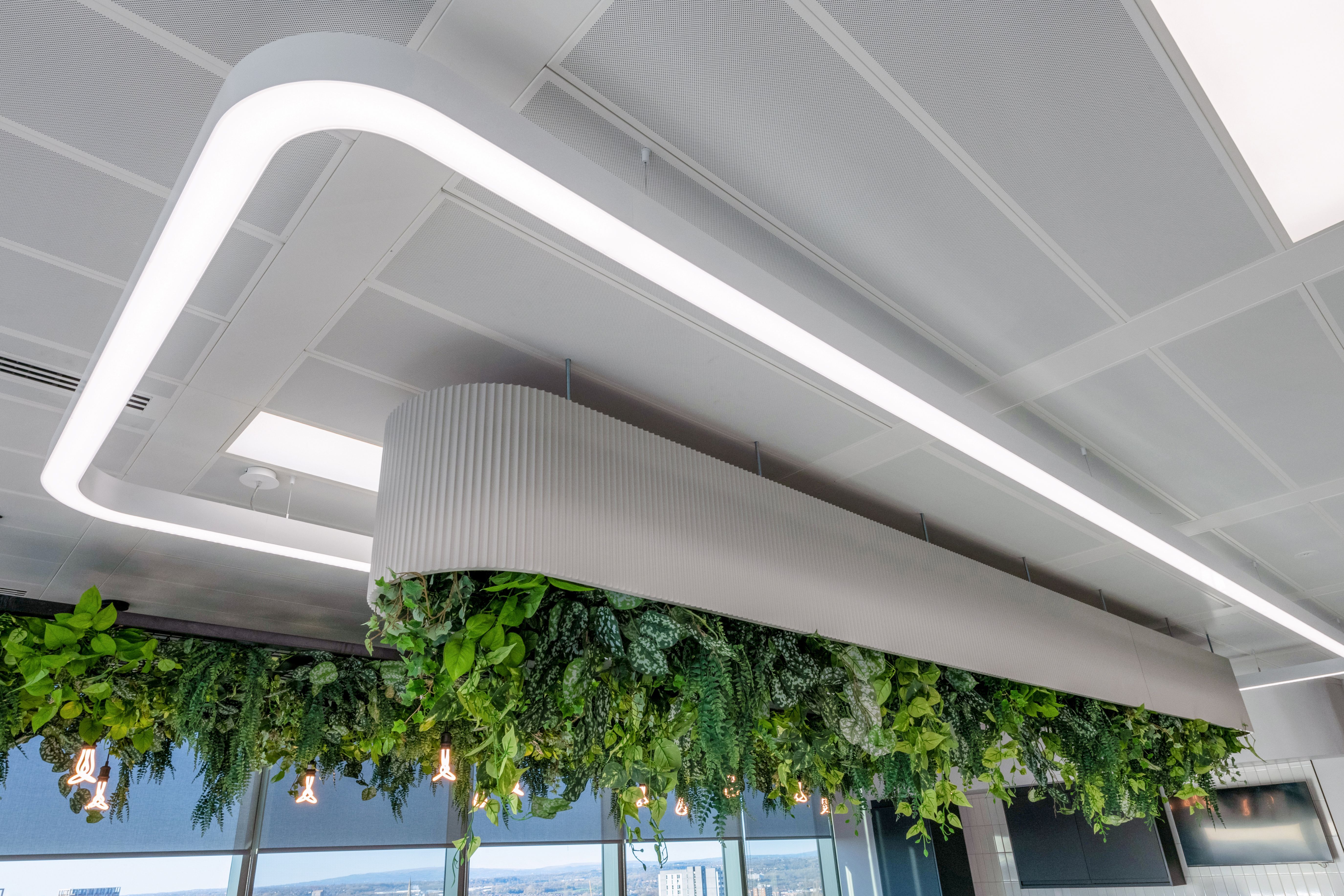
Lighting has long been recognised as one of the most effective ways to reduce building energy consumption. Advances in LED technology have already transformed commercial lighting performance over the last decade, but the Future Buildings Standard raises expectations even further.
The updated Part L guidance now requires most lighting installations to achieve a minimum efficacy of 105 lm/W , with display lighting needing to achieve a minimum efficacy of 95 lm/W. Importantly, compliance is no longer just about selecting efficient luminaires. Designers must also consider mandatory lighting controls, daylight harvesting, energy monitoring and well-documented commissioning.
In many commercial environments, lighting energy is wasted through over-illumination, unnecessary operating hours or poor zoning. Intelligent control systems can help address these issues and ensure buildings are performing at optimum energy efficiency.
That is why in the new standards, lighting controls are now treated as core energy services rather than just ‘nice to haves’. Designers must integrate intelligent lighting control systems that can perform tasks such as occupancy sensing, presence detection and daylight-linked dimming to reduce energy consumption.
How Casambi Supports the Future Buildings Standard
Mount Lighting are proud to be a Casambi sales partner, offering our customers access to the latest in smart lighting technology. Casambi is a wireless lighting control platform that enables intelligent lighting management through Bluetooth Low Energy technology, the most popular and reliable radio technology found in all modern smartphones, tablets and smartwatches today.
The system allows lights, sensors and switches to communicate wirelessly, removing the need for complex cabling while providing advanced functionality. For architects and MEP consultants working towards Future Buildings Standard compliance, Casambi offers several advantages:
Improved energy efficiency - Casambi enables precise lighting control through dimming, occupancy sensing and daylight-responsive operations. By reducing lighting usage, buildings can significantly lower operational energy consumption.
Flexible zoning and reconfiguration - Modern commercial spaces are increasingly adaptable. Wireless control systems help this by allowing lighting layouts and control groups to be reconfigured without invasive rewiring, making them ideal for offices, educational spaces, hospitality environments and mixed-use developments.
Simplified retrofit projects - Casambi’s wireless architecture makes it effective for retrofit schemes where minimising disruption and avoiding extensive construction works is a priority.
Enhanced user experience - Lighting quality still needs to remain a core focus. Intelligent controls allow users to create scenes, automate schedules and improve occupant comfort while still maintaining energy efficiency targets.
Scalability and integration - Lighting systems also need to integrate with wider building management strategies. Casambi supports integration with sensors, emergency lighting and building management systems, helping to future-proof specifications.
Designing for Long-Term Performance
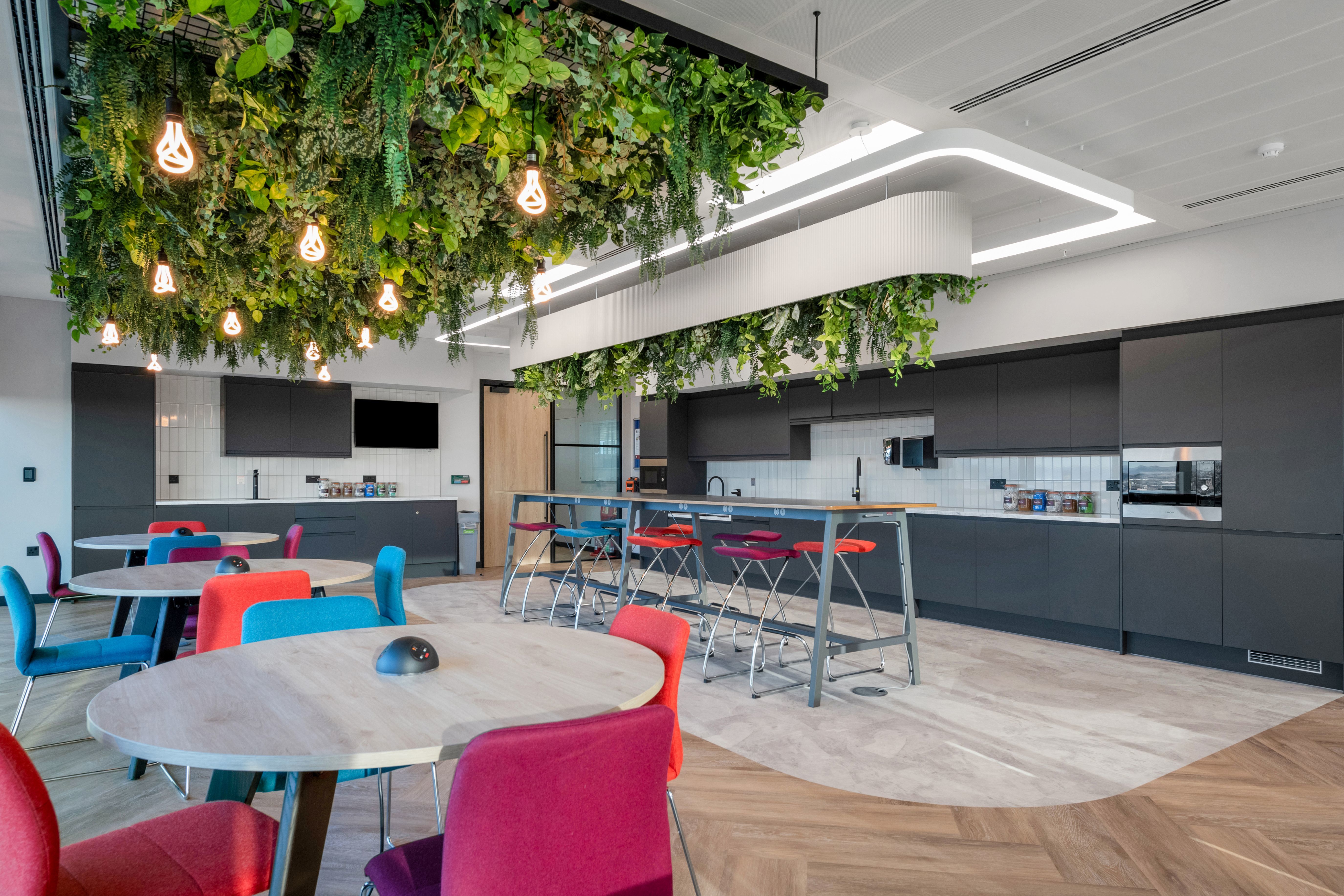
One of the key themes behind the Future Buildings Standard is the idea of operational performance rather than simply theoretical compliance.
Historically, some buildings have achieved compliance at design stage but failed to deliver expected performance once occupied. The latest Part L guidance encourages a more holistic approach, where systems are designed to operate efficiently throughout the building lifecycle.
For lighting designers and consultants, this means considering real-world occupancy patterns, maintenance strategies, control usability, future adaptability and monitoring and optimisation. Smart lighting controls are increasingly important because they provide visibility into how spaces are actually used and where further efficiencies can be achieved.
Preparing Specifications for the Future
The Future Buildings Standard raises the bar for non-domestic building performance and reinforces the importance of efficient, intelligent lighting design.
For architects and MEP consultants, the challenge is no longer simply selecting compliant lighting. Successful specifications will combine high-efficacy LED lighting with advanced controls that reduce energy consumption, improve occupant experience and support long-term operational performance.
With implementation looming in March 2027, now is the time for project teams to review existing lighting strategies and ensure future specifications are aligned with the next generation of Part L requirements. The Future Buildings Standard is not simply about compliance, it is about creating smarter, more sustainable buildings that are ready for the future.
Preparing for the new Part L requirements? Contact the Mount Lighting team to discover how Casambi smart lighting controls can help you create compliant, energy-efficient and future-ready building projects.
This article was featured in the latest edition of BIMCRUNCH. To learn more about Mount Lighting or download their BIM objects, join Bimstore for free. For additional information, visit the Mount Lighting manufacturer profile or their company website and social media pages.

Magazine
BIMCRUNCH Issue 15: a new edition from our manufacturer community!
Earlier this year, Bimstore turned 15. Now, we’re sharing Issue 15 of BIMCRUNCH, bringing together manufacturer insight, project stories, platform updates and product knowledge from across the UK and Australia. Read the latest edition of BIMCRUNCH here.

