
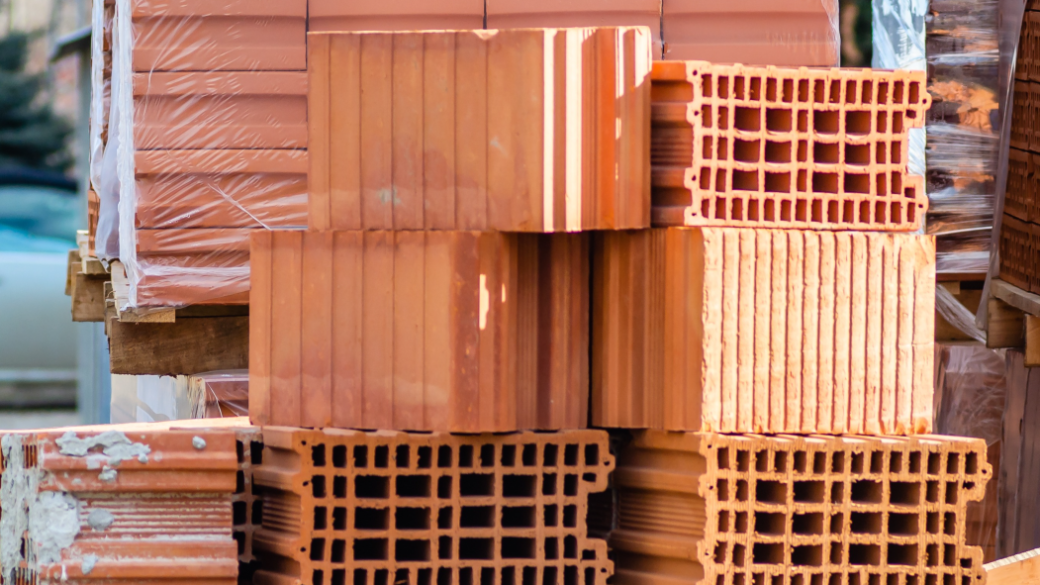
Material innovation plays a crucial role in decarbonising the built environment. Researchers and scientists are advancing sustainable materials that enable architects and designers to meet climate goals and improve sector-wide decarbonisation. Recent developments highlight the continued progress being made in sustainable materials. With new action plans, standards, and world firsts, the construction and manufacturing sectors are entering a new era of innovation.
A New Plan for Concrete
One of the most carbon-intensive materials is one we see every single day. Concrete has long been associated with high carbon emissions, producing approximately 2.5 billion tonnes of CO2 every year. Much of these emissions come from producing clinker, the key ingredient in cement, which releases CO2 through chemical reactions during manufacturing. Yet, despite its reputation, concrete already plays an important role in the circular economy, with most waste being recycled into aggregate. What’s more, in recent years, concrete demand and production have reduced considerably, witnessing a 21% decrease in carbon emissions in the UK since 2018, though it still represents about 1.5% of total UK greenhouse gas emissions.
This decline can be accounted to the allowance of supplementary cementitious materials, which is being reviewed in BS 8500-2:2023 (the British Standard for constituent materials and concrete), voluntary standards such as the London Plan and BREEAM, and a slowdown in concrete being used in construction, reaching a 75-year low. Construction professionals are seeking cheaper, less carbon-intensive alternatives, compelling the concrete industry to undergo rapid changes.
One such development is the launch of the ‘Circular Economy Action Plan,’ the first of its kind for a major structural construction material.This plan, from MPA UK Concrete, aims to support a circular economy, where materials remain in use through reuse, regeneration, and repurposing. As a live framework, the action plan is intended to adapt and develop through ‘engagement with the wider construction sector and government.’
The Circular Economy Action Plan’s core objectives:
- Increase the use of recycled and secondary materials
- Reduce waste in concrete production
- Understand the future implication of raw materials
- Reduce the use of single use and non-recyclable packaging for masonry and precast concrete products
- Support the built environment sector in the efficient use of concrete in design
- Support the built environment sector in reducing concrete waste from construction activities
- Improve transparency within the concrete supply chain
- Support the built environment sector in retaining higher value at end of life
- Provide date to support future reuse
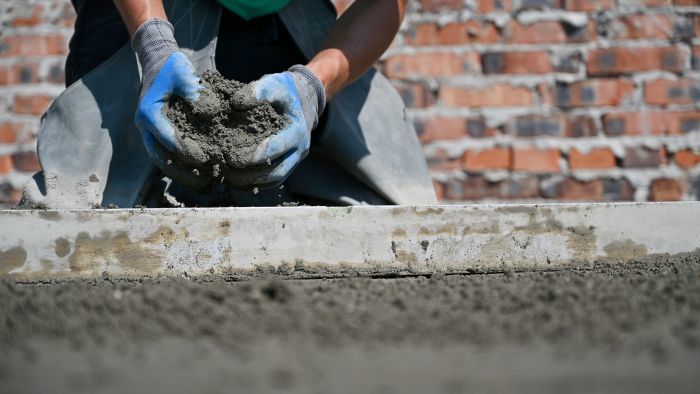
Construction worker holding cement at a worksite (photo credits: anatoliy_gleb, Envato)
“Concrete is already central to the UK’s circular economy – not only because it is durable, locally available and recyclable, but because the cement and concrete sector make productive use of materials, that would otherwise become waste.” – Andrea Charlson Head of Sustainability for the UK Concrete and The Concrete Centre
Despite these efforts to ensure that the lifecycle of concrete remains circular, there have been concerns recently over the extraction, and the disposal, of this material. According to the UK Green Building Council, Limestone, which is a core material extracted to make cement, forms the foundation of several natural habitats. The extraction of limestone in biodiverse areas leads to the destruction of these habitats, with quarrying activities also increasing the risks of land erosion and runoff, where sediments and pollutants can contaminate aquatic ecosystems.
Improper concrete disposal has also become an increasing concern. Thames Water claims that ‘the equivalent of 300 bathtubs of concrete is being discharged into its sewers each year.’ This has raised important questions about the responsible disposal of waste concrete, something that is aiming to be addressed within the Circular Economy Action Plan.
Shattering Expectations
Glass, another everyday material, is also undergoing an important transition. Widely used in construction for windows, exterior facades, and structural glazing, it is internationally recognised as a core building material. To encourage responsible glass production and sourcing, ResponsibleGlass sustainability standards are being established, aiming to set a new global benchmark for the glass industry.
Their main objectives include:
- Ensuring all mined raw materials are from certified responsibly mined sources
- Synthetic input materials should be verified as ‘responsibly produced’
- Making sure no one is injured to make glass
- Ensuring all glassmaking sites meet sustainability standard
- Glassmaking and manufacturing and meeting ‘near zero’ GHG emissions
- Guaranteeing that glass products are optimally designed for sustainability and circularity
- Making sure that 75-85% of all glass is recovered and recycled after its use life
- Laminates, binders, and other materials are separated from obsolete glass products and recycled / disposed of safely
- No glass sector production waste is sent to landfill
By the end of 2026, the draft assurance manual will be published, with full implementation planned for early 2027. This standard aims to benefit the entire supply chain, from raw material suppliers and manufacturers to construction professionals, architects, specifiers, and ultimately a building's occupants, by ensuring a credible, verifiable global standard throughout all stages of the glass lifecycle.
The question this leaves us asking is: what impact could this have on the built environment?
“Glass is a material that touches hundreds of industries. From construction and the automotive sectors to new technology industries of the future. Only be engaging the entire value chain can we work collaboratively to reduce greenhouse gas emissions and address other critical sustainability challenges.” – Alan Knight, Chief Sustainability Officer of WE Soda
Glass production is estimated to generate around 95 million tonnes of CO2 emissions globally each year, within a sector that is noted for lacking a centralised sustainability framework. The ResponsibleGlass sustainability standard will ensure that glassmaking facilities undergo independent audits, based on specific criteria, and adhere to standards for measuring and reporting sustainability performance.
Founded and supported by trusted construction brands such as ARUP, Climate Group, and ARM (Alliance for Responsible Mining), these new glass standards will leave an indelibly positive mark on the built environment. Glass has long been central to advances in sustainable building design. One early example is St George’s School in Wallasey, completed in 1961 and widely recognised as the first passively solar-controlled building, since then, developments such as double and triple glazing massively improved the thermal performance of windows or facades.
The new sustainability standard for glass will further improve supply chain transparency, and enhance the circularity of glass production, reducing waste materials. Verified low-carbon production processes should help reduce the millions of tonnes of CO2 emitted annually by the glass industry, encouraging manufacturers and construction professionals to preserve raw materials and recycle more glass waste.
Alongside the new standards for concrete, it’s amazing to see abundantly-used-material’s standards being improved for sustainability and long-term circularity.
Firing Up Change
A more localised example can be found in Denton, Greater Manchester, where wienerberger UK & Ireland have secured government funding for a pioneering hydrogen kiln project. This marks a milestone in decarbonisation efforts within the heavy clay manufacturing industry, establishing a blueprint for decarbonisation across wienerberger’s manufacturing network, as well as the wider UK ceramics sector.
This transition will replace gas-fired brick kilns with 100% green hydrogen, reducing CO2 emissions by more than 11,600 tonnes a year. This will make Denton the first ‘commercial-scale hydrogen-fired brick plant in the world,’ with hydrogen firing expected to officially begin in Autumn 2028.
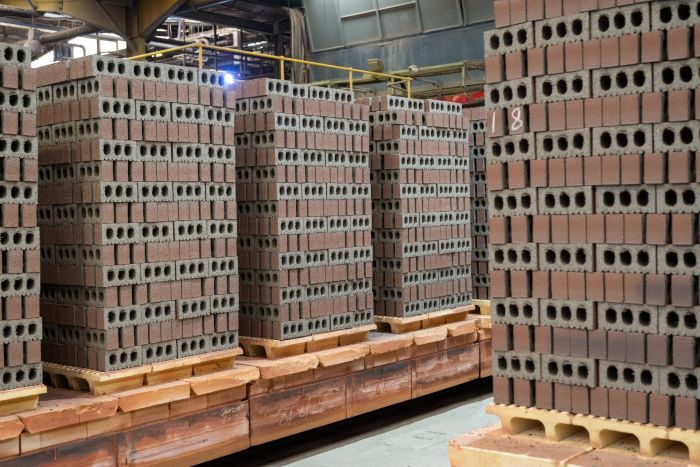
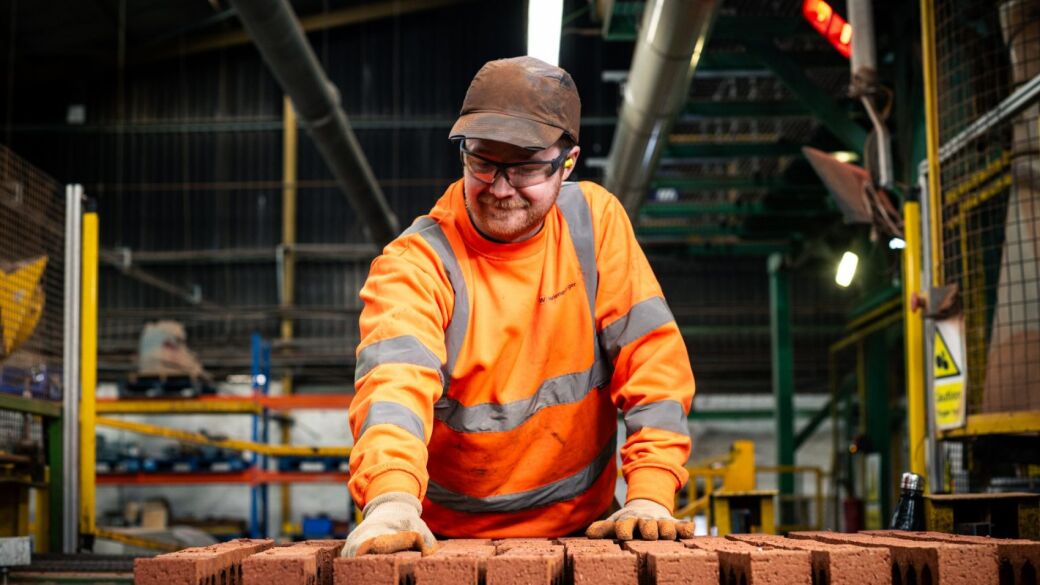
Inside the Denton Factory (photo credits: Jonathan Oakes, wienerberger website)
The evolution of heavy clay manufacturing, steered by major brick manufacturers like wienerberger, will set new standards for material production, lowering carbon-emissions throughout the bricking-making process, without compromising on quality or durability. Clay bricks play a crucial role in the decarbonisation of the built environment, as their high thermal mass means that they can absorb and slowly release heat, as well as being a lasting and adaptable material.
“In conversations about materials, I always ask how long their building is expected to last, and unfortunately a lot of architects don’t know, which makes their decision-making process difficult. The best thing you can do is consider the life span of the building, how it might be used in the future, and design for flexibility and adaptability, which will minimise resource consumption over the long term.” – Stephanie Palmer, Head of Sustainability at wienerberger
Other Material News
Another commonly used material currently being researched by scientists is plastic. Notoriously damaging for the environment, due to its high embodied carbon emissions during manufacturing, plastic is often viewed as one of the least sustainable man-made materials, despite being used worldwide for many daily purposes. Plastic is also known to be bad for human health, with microplastics and toxins disrupting hormone function.
Though typically less associated with the built environment, the building and construction sector relies on plastic the second-most after the packaging industry, responsible for 17% of total plastic production. The most common types of plastic in buildings are used in flooring (PVC, Vinyl), Insulation (Expanded Polystyrene), Paint (Acrylics), Piping (PVC), and Siding (PVC, Vinyl cladding). Polyvinyl chloride (Vinyl or PVC) is often considered to be one of the most toxic plastics for humans and animals, containing carcinogens and endocrine disruptors, which can affect hormone function.
The Living Building Challenge have established a Red List of building materials that are particularly damaging for human health and the environment, including the likes of asbestos, formaldehyde, toxic heavy metals, as well as chlorinated polymers like PVC.
Buildings materials containing polyvinyl chloride include window casements, PVC piping, flooring, roofing membranes, and more. So, not only are they detrimental to the environment, but they are unknowingly affecting the health and wellbeing of a building’s occupants.
For many architects and designers, who focus on sustainability and building for occupant’s wellbeing, using alternative materials such as aluminium, steel, or timber/bamboo, is the answer to damaging plastics. Scientists around the world, however, are continually find ways to make plastics less damaging for the environment.
In China, it was recently reported that a ‘living plastic’ has been created, designed to limit microplastics and plastic waste. Essentially, the material contains engineered bacteria that activates under specific conditions, breaking down without leaving any microplastics behind. Though incredible in practice, this experiment only works with one type of polymer, polycaprolactone, and is far from being rolled out to the public. However, if ground-breaking research like this continues, it could provide an innovative solution to plastic pollution, particularly in our oceans.
“The realisation that traditional plastics persist for centuries, while many applications like packaging are short-lived, led us to ask: could we build degradation directly into the material’s life cycle?” – Zhoujun Dai, from the Shenzhen Institute of Synthetic Biology
Back in the UK, several new materials are becoming a part of every architect’s repertoire. From hempcrete, and cross-laminated timber, to mycelium composites (made from the root structures of fungi), the options for sustainable building design are forever increasing.
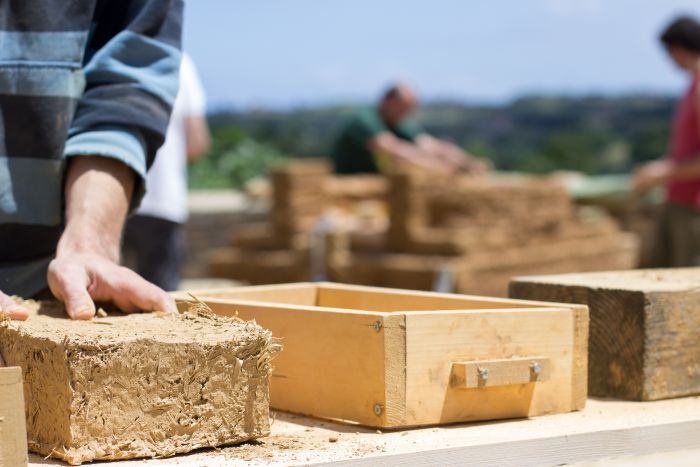
Someone making bricks from hempcrete (photo credits: Envato)
Half a century ago, people imagined the future through flying cars and commercial space travel. Few could have predicted that some of the greatest innovations of the 21st century would come from the materials used to build our world.
Material innovation is no longer simply desirable. It is essential if global carbon targets are to be met. The built environment has a shared responsibility to reduce emissions, and continued investment in sustainable materials will be key. That will require greater collaboration between industry and government to accelerate research, tighten building material regulations, support new technologies, and encourage wider adoption of low-carbon materials.

News
wienerberger secures funding to deliver the world’s first commercial scale hydrogen fired brick kiln
wienerberger UK & Ireland has successfully secured government-backed funding that will enable its landmark hydrogen kiln project at its brickworks in Denton, Greater Manchester, to proceed - marking a major step towards the decarbonisation of the UK’s heavy clay manufacturing industry.

Building Materials
by Bimstore Curation

Low Energy / Sustainable Products
by Bimstore Sustainability Team