Lighting design can make or break a space. It shapes how we see, how we feel, how we move. And yet, so often, it’s an afterthought. Popped in at the end. Ticked off a checklist. Done.
But when lighting is an afterthought, the space suffers.
Lighting design is one of the most powerful tools in any workspace project. It influences how people feel, how they move and how well they work. It shapes the atmosphere and supports productivity. It also affects energy use, long-term cost, and the way architecture is experienced every single day.
But here’s the catch: lighting design only delivers all that value when it’s considered right at the start. When it’s pushed to the end, everything becomes harder. Less effective. Less cohesive. And the results are obvious the moment you step into the space.
Below, Mount Lighting break down the key signs that lighting design wasn’t given the early attention it deserved, and how early collaboration avoids every one of them.
Signs Lighting Design is an Afterthought
You can spot late lighting decisions the moment you walk into a space. The balance feels off. The light doesn’t sit quite right. Corners compete, fixtures clash, and the whole room loses the clarity it should have had from the start. When lighting design isn’t planned early, small issues quickly turn into problems that affect comfort, usability and the overall design.
Poor Distribution of Light
Some corners are bright. Others are dark. And some areas? They glare. Harsh, uncomfortable, and all wrong. When lighting design isn’t part of the early conversation, the light begins to fight itself, pulling focus where it shouldn’t and leaving key areas under-supported. A thoughtful office lighting design will layer light in a way that makes every area work: ambient, task, accent, all where it is needed, and all serving a purpose to enhance the space instead of fighting it.
Bad Integration
Lighting fixtures can look awkward, hanging too high or too low, and clashing with furniture or exposed air ducts. A ceiling that should work well suddenly has problems like obscured emergency lighting positions. LED Lighting isn’t just about shining light; it’s about fitting, merging, and enhancing. Done well, it becomes part of the architecture, but done late, it feels tacked on and incomplete.
Inefficiency
When lighting is added at the end of a project, efficiency often goes out the window. Natural daylight is ignored, artificial light is poorly placed, and energy is wasted without anyone noticing. Some areas end up overlit, others barely illuminated. The mood suffers, and spaces feel uneven, uninviting, or just plain awkward. A lack of lighting design leaves LED lighting unable to fully support the overall design project.
Limited Options
Bringing lighting in at the last minute also shrinks your product choices. Fixtures may not fit the space properly. Options that balance function and aesthetics are limited. The result is compromise, on look, on feel, and on sustainability. What could have been a seamless, polished interior now feels unfinished, almost like something is missing. Early integration allows for bespoke lighting solutions that work in harmony with materials, structure, and atmosphere.
|
The Solution
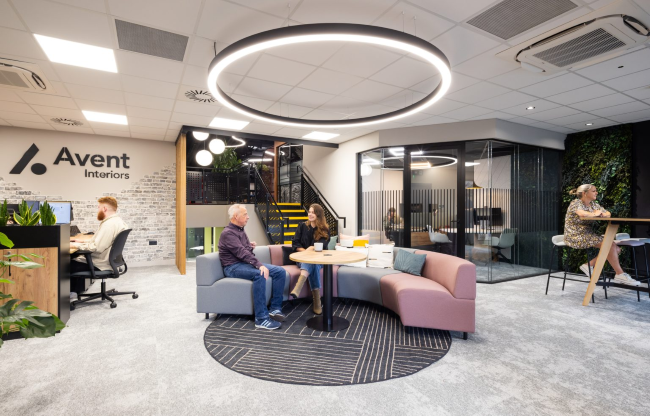
The solution is simple: bring commercial lighting specialists into the conversation from the start. Early collaboration sets the tone for everything that follows. It is the time to explore options, share ideas, and choose finishes that complement the wider design. It’s when you can plan for daylight, ceiling heights, air ducts, and furniture layouts, ensuring that linear lighting or other fittings feel like part of the architecture rather than an addition to it.
It is also the moment when they can work closely with M&E consultants, speaking their language and understanding exactly what they need to achieve in terms of lighting output, performance, and efficiency. Thoughtful layering matters too, subtle where it needs to be, and bold where it should make an impact. Get this balance right early on, and you’ll avoid compromise later.
Use Technology
Digital tools can make this process even more precise. 3D design and BIM files allow designers to visualise how light behaves before the first fitting even goes in. You can experiment with placement, beam angles, and finishes – adjusting everything in a virtual model until it’s just right. This kind of foresight removes guesswork, prevents costly surprises, and ensures that every light fitting enhances the space rather than fighting it.
Lighting Design software can help designers and engineers plan out office lighting design in real time by simulating lighting installations. Planning out daylight, luminaire and sensor positions in Relux/Dialux calculates the total illumination on surfaces and can significantly reduce negative lighting outcomes like glare, either direct from the light source or from interior surface reflectance.
Start early and think in layers. Use the most important and healthiest source of light, sunlight and combine it with artificial light to create depth and flexibility. Consider smart control systems such as Casambi and daylight sensors that adapt as lighting conditions change. Collaborate closely with manufacturers and design partners, and model your lighting scheme in 3D to see how it performs in context. And always check the details such as placement, proportion, and finish, before you move to installation. A few extra steps at the start can save hours of revision at the end.
Lighting deserves more than an afterthought. When it is considered early, it brings interiors to life, shaping mood, guiding movement, and elevating every detail. When it is left too late, it creates glare, wastes energy, and leaves awkward angles along with frustration.
So, make lighting design part of the journey from the very first sketch. Contact the expert team at Mount Lighting today to evolve your office lighting design. Because when lighting is done right, everything else simply falls into place.
To explore further or to download BIM objects from Mount Lighting, simply join Bimstore for free access to their products and accompanying literature. For additional insights, visit their manufacturer profile on Bimstore, their company website or socials.